

Eggciting Comebacks and Big Migrations: July’s Wildlife Highlights
One baby seabird, thousands of butterflies, a Cuckoo named after Sean Bean… and a suitcase full of singing insect eggs. Here’s July’s wild, Wildlife Highlights.

A bundle of joy between the rocks
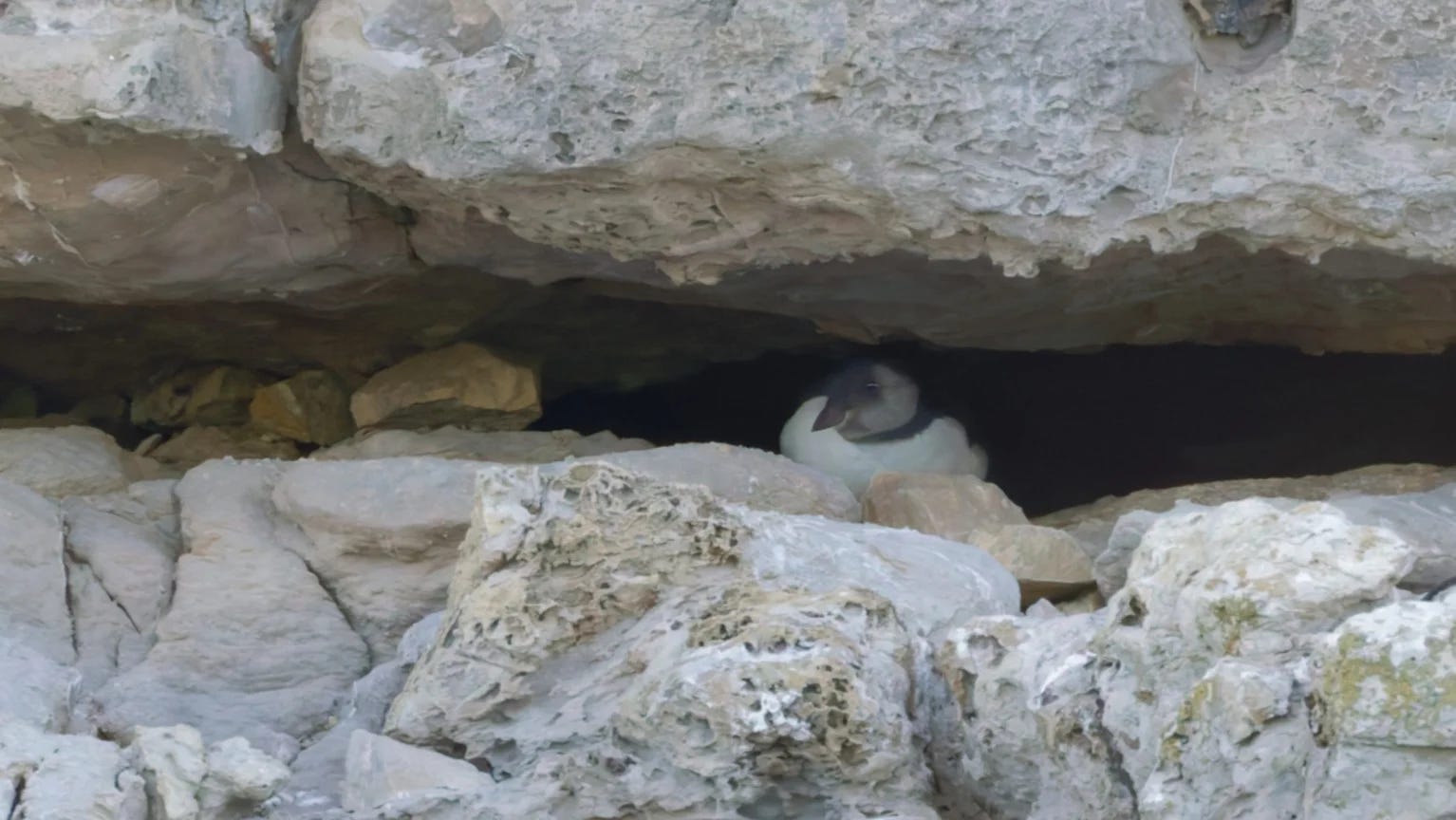
Conservationists got the news that they have been hoping for with the first Puffin chick recorded on Dorset’s Purbeck coast in 30 years. The youngster, typically known as a Puffling, is estimated to be 38 to 40 days old and was spotted on the cliffs near Dancing Ledge, by the Trust team and volunteers who have monitored the colony.
Dr Richard Caldow has said: “Seeing the puffling was a great thrill, the first puffling that’s been recorded in Purbeck for a long time.
“It tells us that Purbeck puffins can still lay fertile eggs, hatch them and, at least in some years, find enough food to rear a chick and escape the attention of predators.”
Experts say that this bundle of joy may (hopefully) return to Purbeck once it reaches about two years of age, although Puffins don’t typically breed until they are around four years old.
Fingers crossed we see them back raising a family of their own sometime in the future.
An eggciting comeback worth rooting for

A mission fit for a James Bond film: British conservationists travelled to a French military base to bring eggs of an extinct singing insect back to the UK.
The Species Recovery Trust (SRT) collected Cicada eggs from the Académie militaire de Saint-Cyr Coëtquidan in Brittany and brought them back to Paultons Park Zoo in Hampshire.
Pete Hughes, a volunteer with the SRT joined the recent expedition and said: “It was all very exciting.”
He said: “We went creeping around the grounds of this military base using ultrasound detectors to try to hear the male cicadas singing, so it did feel a bit James Bond.”
Even if the eggs hatch successfully, conservationists now face a long wait as immature insects are believed to spend anywhere between four and ten years underground feeding on plant roots before finally emerging as adults. Only time will tell.
A bird of the night caught on camera

A rare black-crowned Night Heron has been spotted on cameras over at a National Trust site in Holnicote in Somerset. The surprising sighting raises hopes that the work being done to develop freshwater habitats on the estate is providing refuge for elusive species.
A good thing, because the UK has lost over 97% of its wetlands due to drainage and changes in land management; but with continued work the wetland charity WWT lists the Night Heron as one of the birds that it predicts may potentially become an established breeder in the UK, and we are likely to see more wetland species arriving at the estate.
A painted lady summer
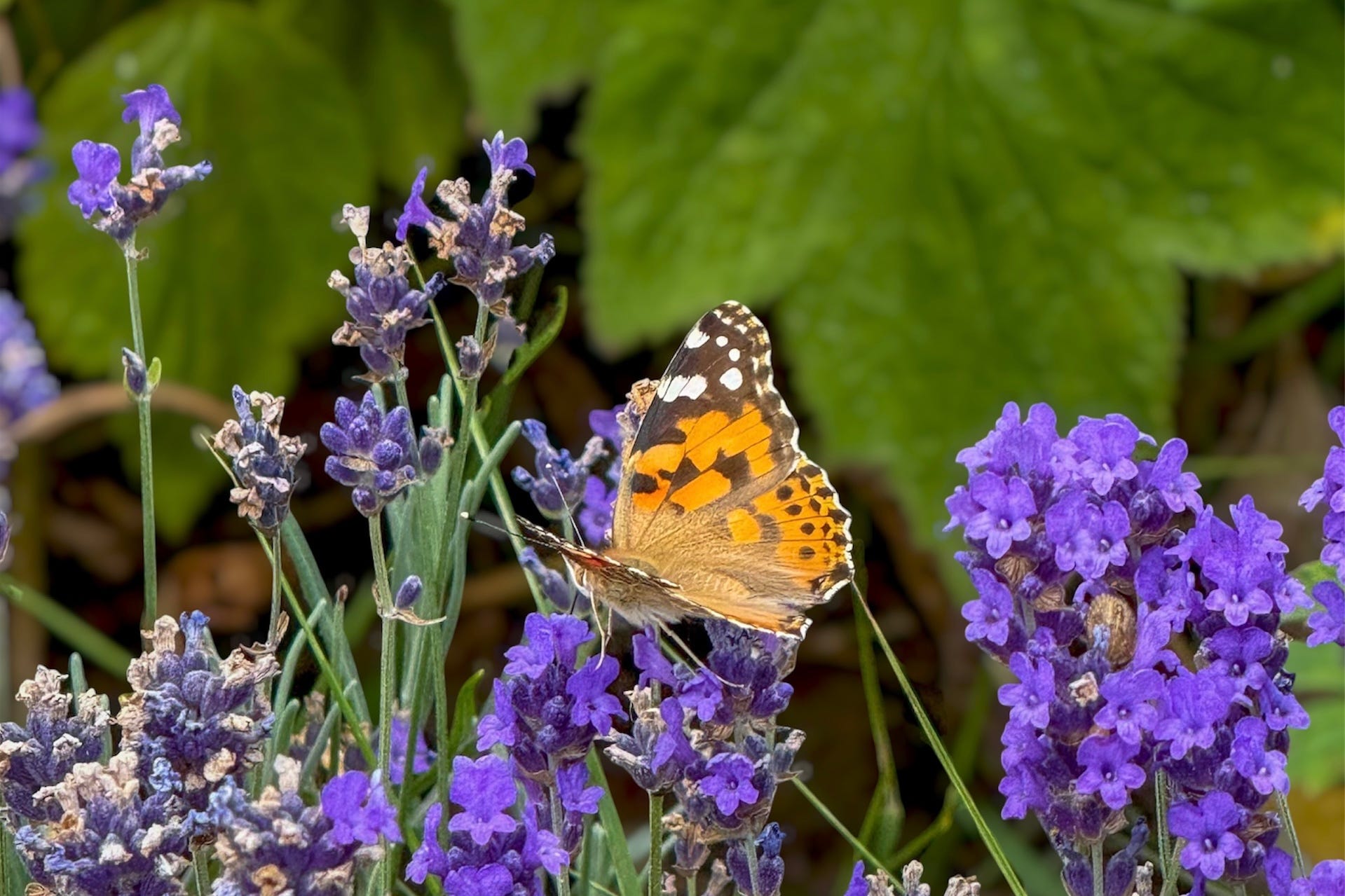
The UK is enjoying a once-in-a-decade migration of Painted Ladies, in what’s expected to be the biggest migration since 2009.
Wildlife charity Butterfly Conservation is urging people to count the Painted Ladies they spot as part of its annual Big Butterfly Count which is still ongoing until the 10th August.
The charity says that warm weather across Europe this spring prompted millions of Painted Ladies to flock to the UK, with clouds of butterflies seen feeding and mating in some places, their offspring are now emerging across the country and being spotted flitting about the flowers.
A very northern Cuckoo named Bean
The British Trust for Ornithology has named one of its 14 satellite-tagged cuckoos Bean in recognition of Sean Bean’s passion for birdwatching and his work inspiring thousands of viewers through the Get Birding podcast (which I highly, highly recommend!)
Bird (and Bean) lovers can follow Bean’s (the Cuckoo) incredible migration from the UK to Africa in real time AND sponsor a Cuckoo too by heading over to bto.org to find out more.
That’s all for July’s highlights, here’s to another positively wild, wonderful, and occasionally bizarre month.
Thanks for the good news stories! I’ve seen loads of painted ladies here in Ireland too (even spotted them flying over the sea earlier in the summer when I was swimming). It seems to be a good year for butterflies generally, maybe the heat? Which has been great to see.
Super catch up on positive wildlife news - i did no know it was 2009 the last big Painted lady migration and a cuckoo named after sean bean brilliant